AstroProject
An astronomy science education software and game built with UE5, combining scientific data visualization with immersive exploration experiences. From the Solar System to the edge of the observable universe, embark on an interstellar journey across time and space.
Project Overview
Development Phases
Phase 1: Demo Mode
Integrating astronomical catalog databases from international institutions with supercomputer simulation data to create a complete digital universe system. Covers large-scale cosmic structures, extragalactic systems, the Milky Way, Solar System, asteroids, comets, and Earth-orbiting satellites. Scientific visualization supports output for dome, VR, stereo, and giant screen formats.
Phase 2: Game Mode
Players assume the role of an AI satellite that awakens autonomous consciousness. Starting from Earth orbit, experiencing meteor shower threats, asteroid exploration, and outer planet discovery. A narrative combining science fiction with real astronomical education, exploring the magnificence of the cosmos.
Project Design
Design Philosophy
Scientific Data Driven
All celestial bodies come from scientific data, based on astronomical catalog databases and supercomputing simulation data published by major international astronomical institutions, creating comprehensive astronomy education content. Each celestial body's movement is strictly driven by scientific calculations, enabling visualization demonstrations and full-process cinematic rendering in UE5.
Scientific Content Gamification
Building gamified content based on knowledge encyclopedias of astronomy, mathematics, physics, chemistry, and engineering involved in solar system exploration and development. Examples include solar system material distribution maps, celestial spectroscopic analysis, hazardous object orbit calculations, small body orbital changes and capture, solar storm response, spacecraft orbital cruising, element-compound synthesis systems, solar sails, Dyson spheres or Dyson swarms, etc.
Basic Sci-Fi Setting
A space-based post-apocalyptic wasteland world after solar storms, where players take on multiple roles as scavengers, explorers, and builders. Continuously growing and upgrading while in orbital flight, while responding to various threats including periodic solar storms, high-speed debris clusters, and diffuse dust clouds.
Satellite Development Program
Starting as a small artificial satellite in the early stages, cruising in low Earth orbit, extracting materials and usable modules from orbital debris, using atomic-level 3D printing modules as core components, continuously upgrading itself, and launching spacecraft to explore deep space. After reaching interplanetary space, developing asteroid or comet resources, growing into a giant artificial planet.
Screenshots
Project Gallery
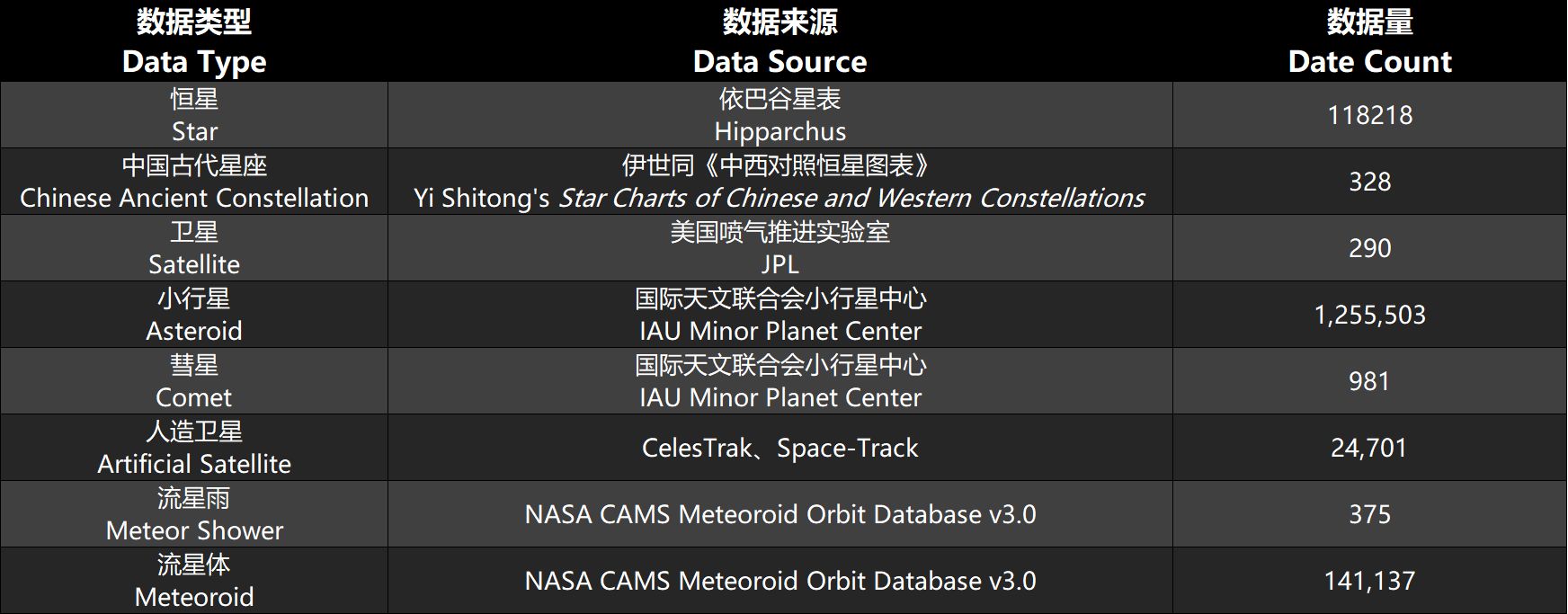
Astronomical data statistics
Astronomical Catalog Data
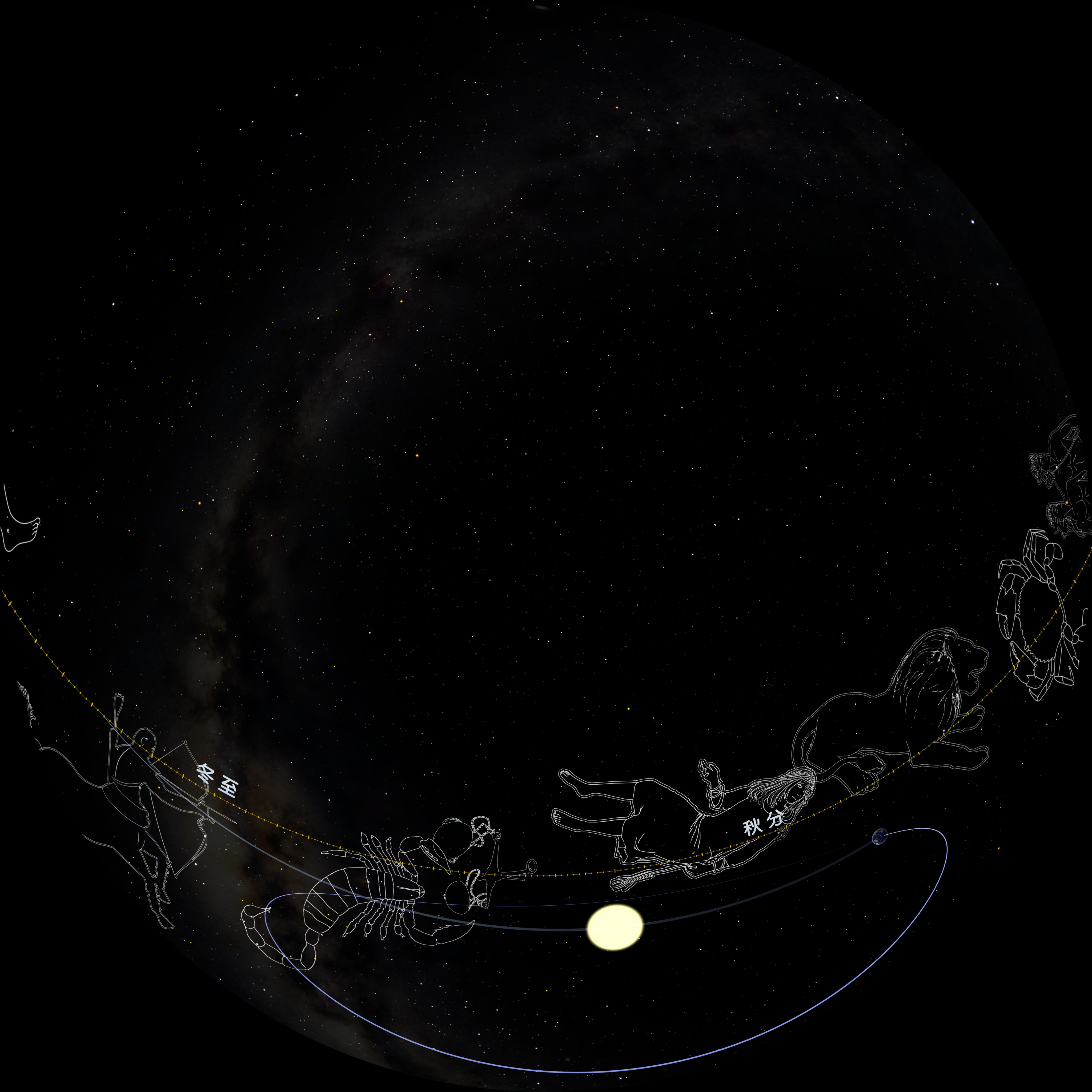
Stars and Constellations
Astronomical Catalog Data
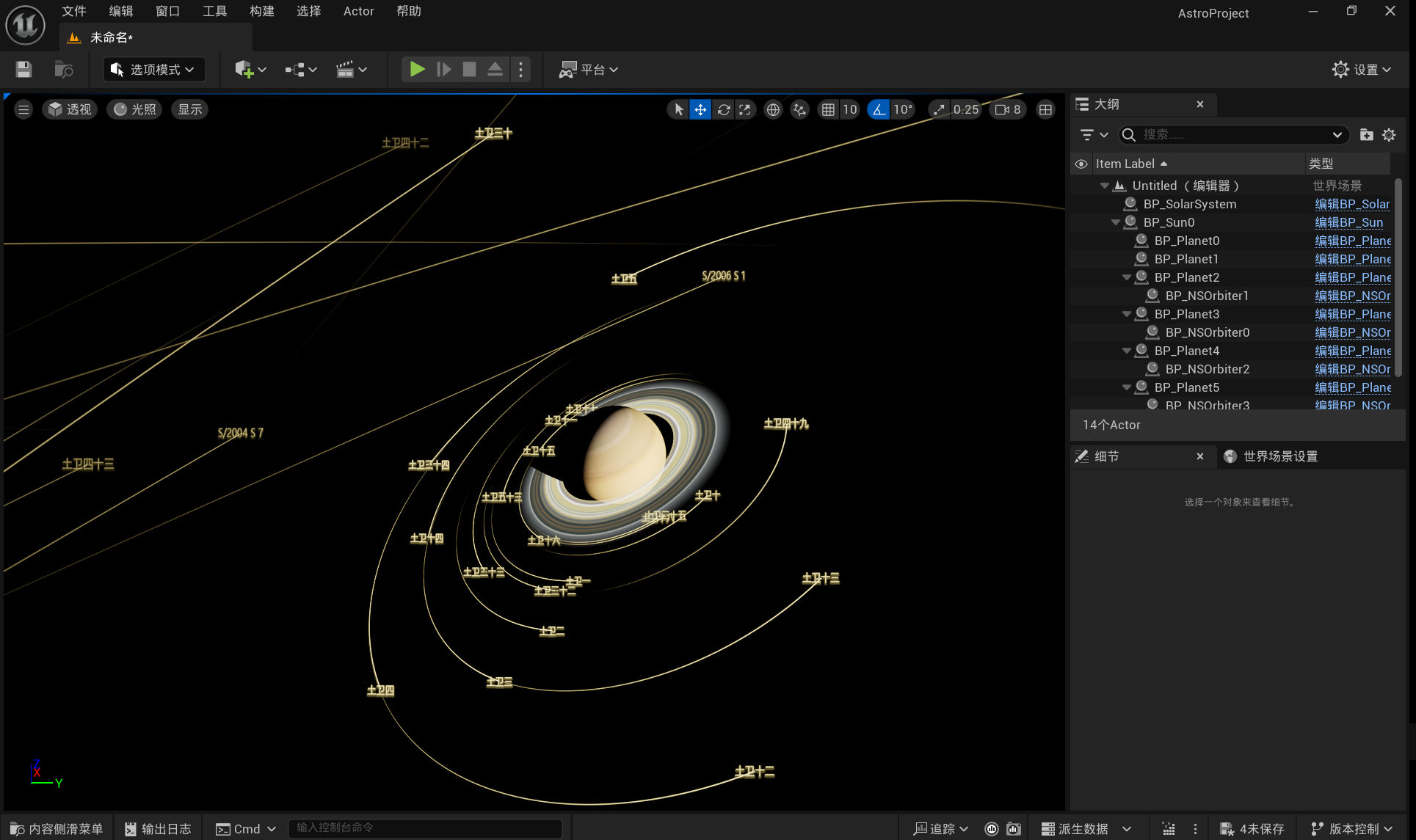
Planets and Satellites
Astronomical Catalog Data
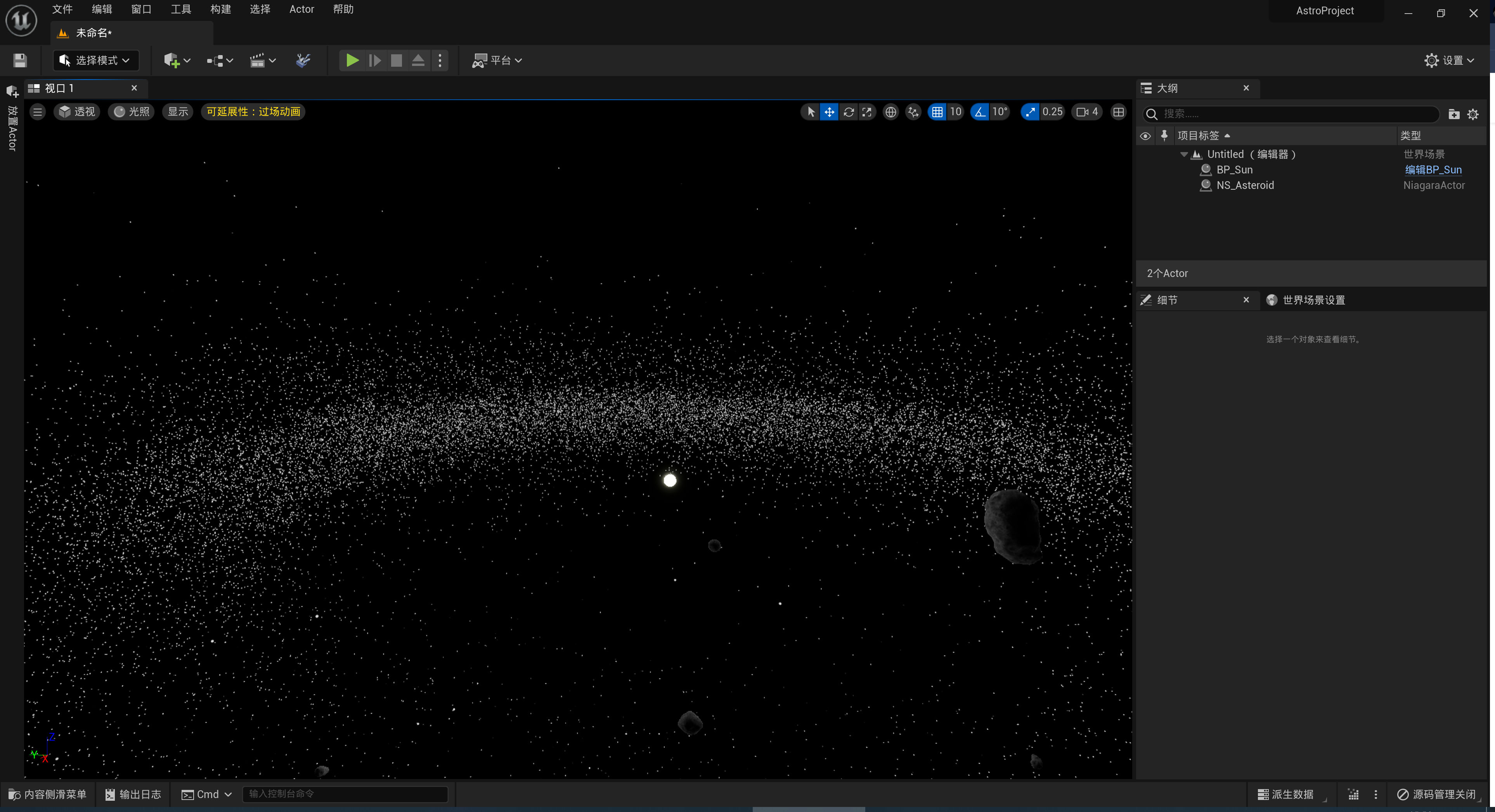
Asteroids
Visualization of Small Bodies in the Solar System
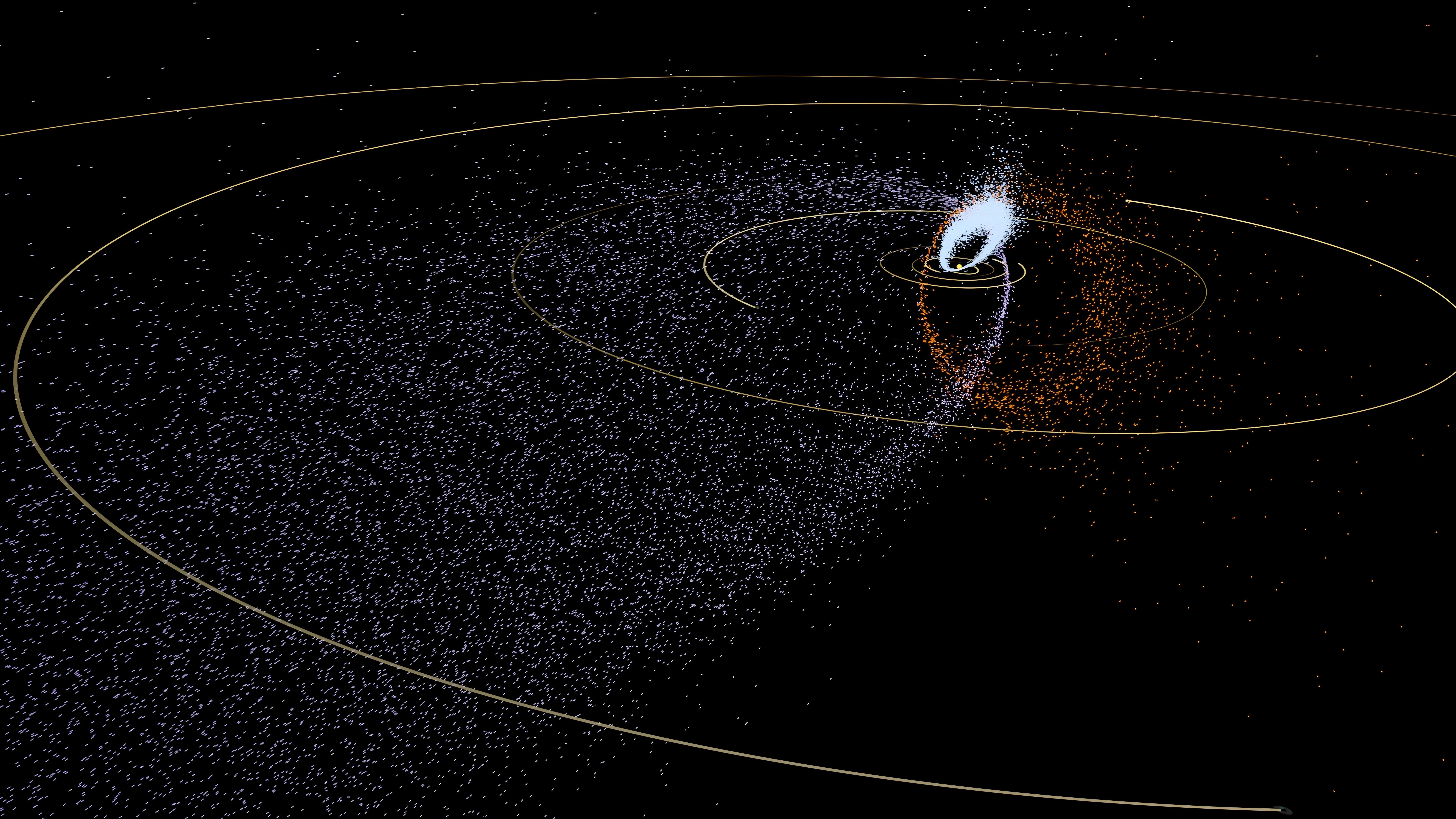
Meteor Simulation: The Three Major Meteor Showers of the Northern Hemisphere
Visualization of Small Bodies in the Solar System
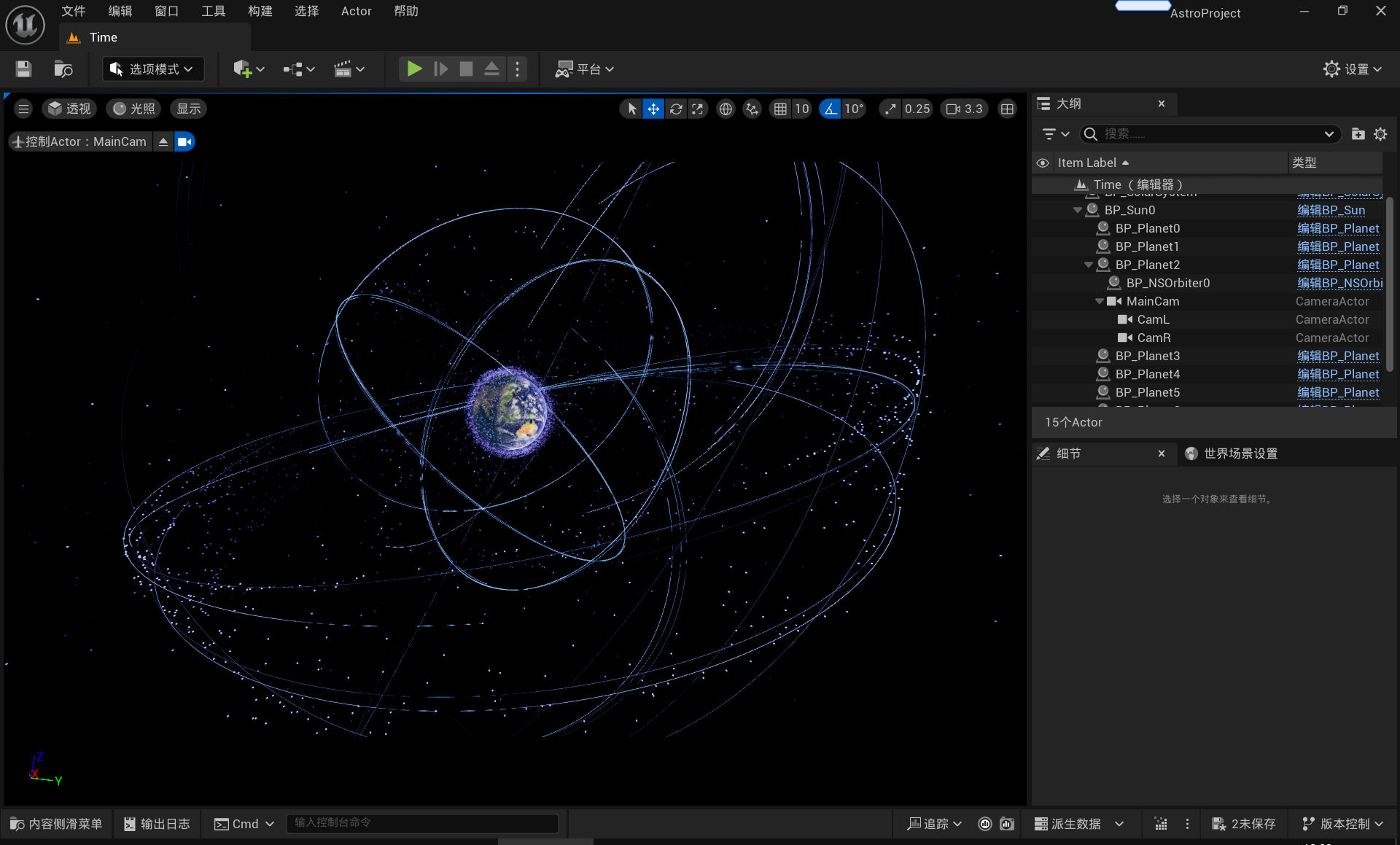
Artificial satellites, rocket bodies, debris, and BeiDou navigation satellites orbit simulation
Visualization of Small Bodies in the Solar System
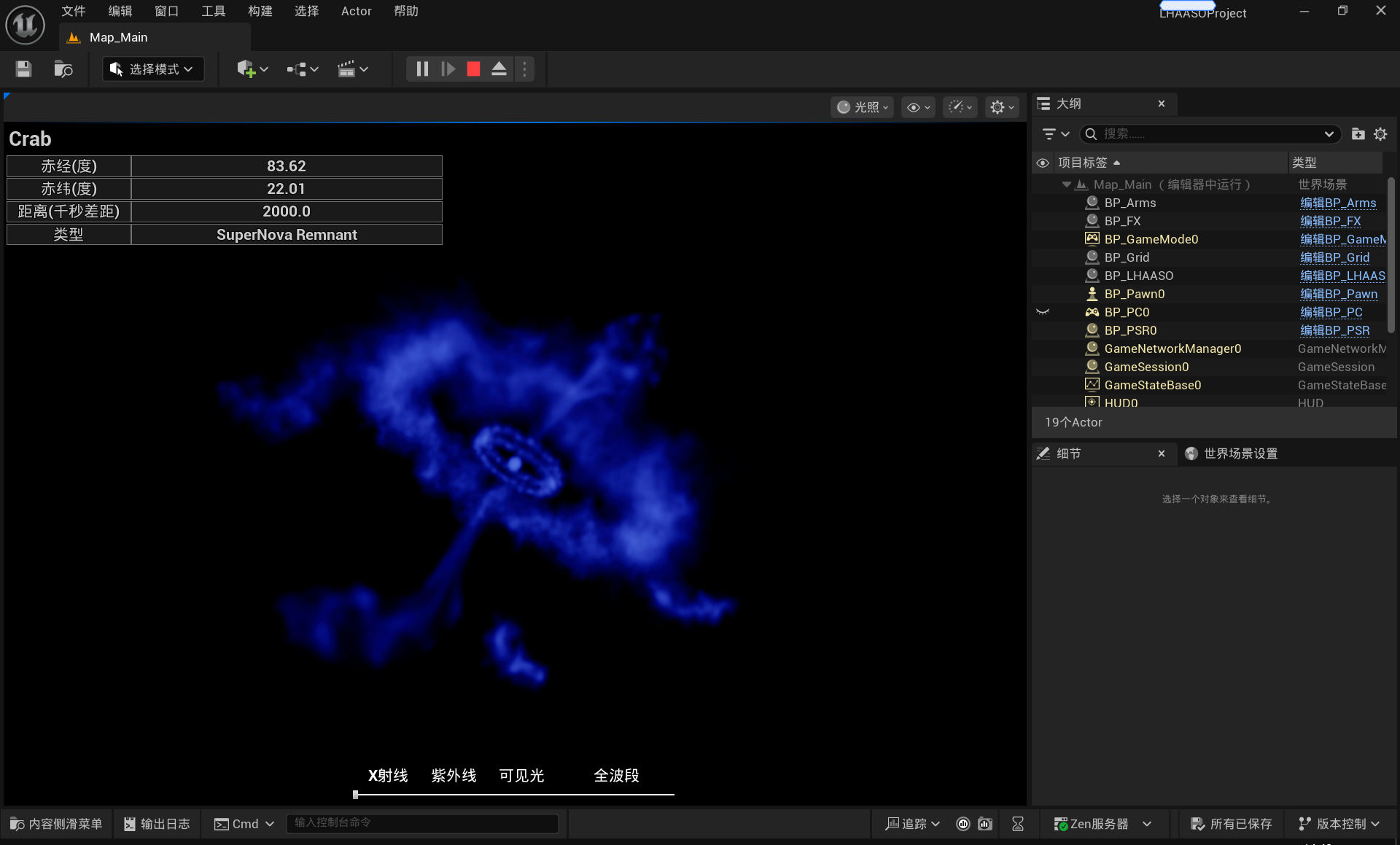
Crab Nebula X-band: Pulsar Wind Nebula
Supernova remnant high-precision 3D model
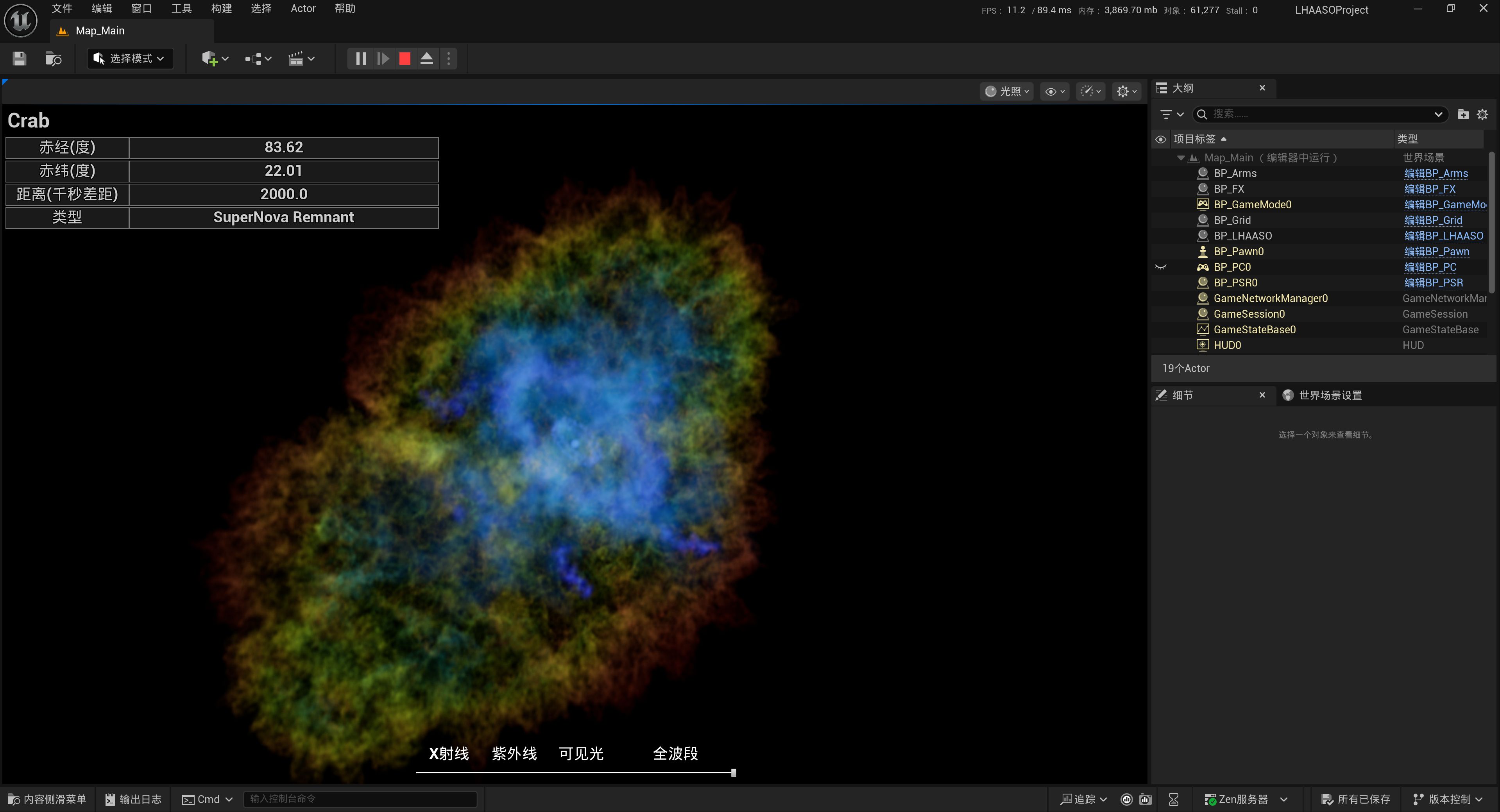
Crab Nebula multi-band composite
Supernova remnant high-precision 3D model
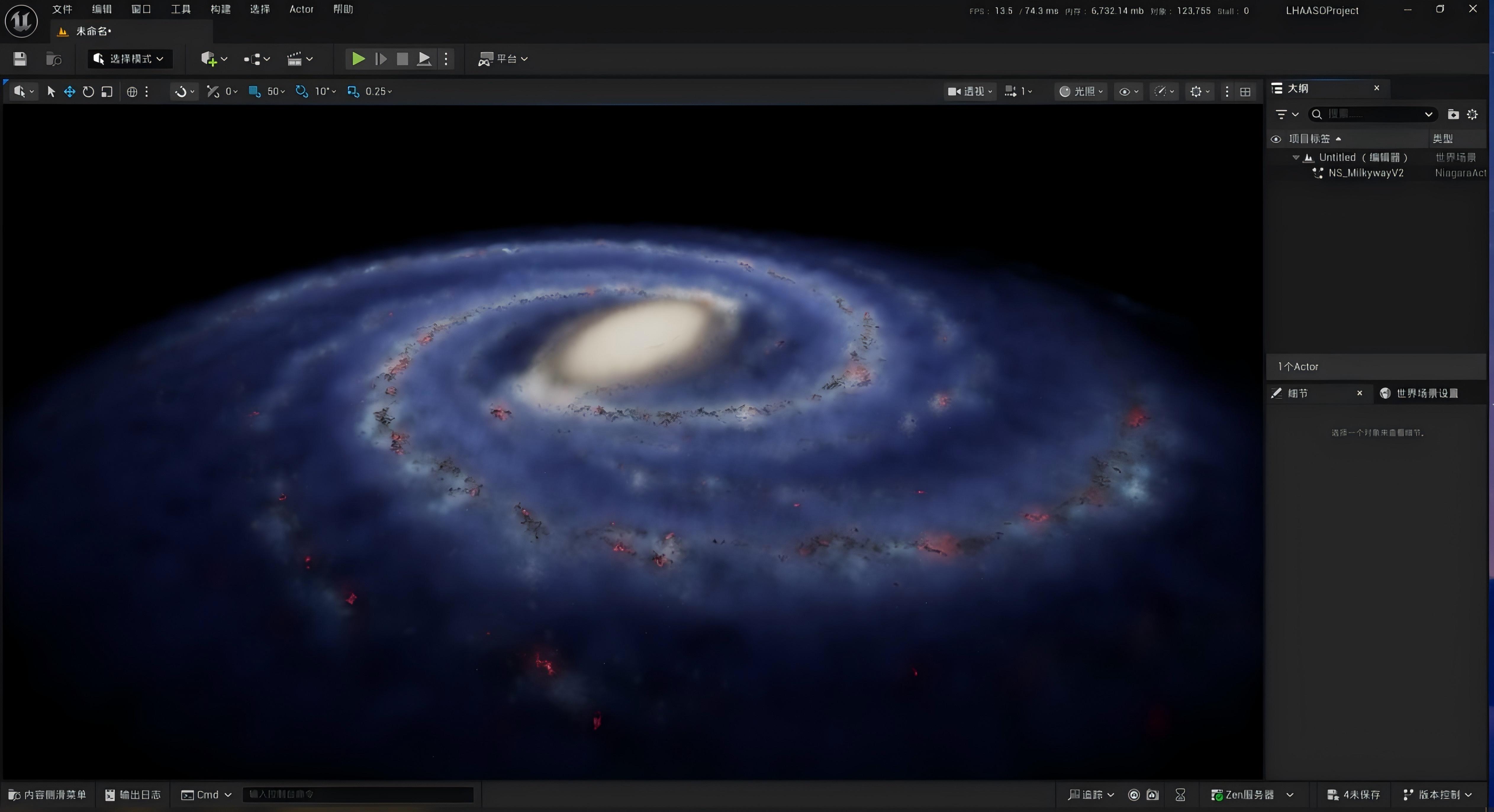
MilkyWay Panorama
3D reconstruction based on Spitzer survey data
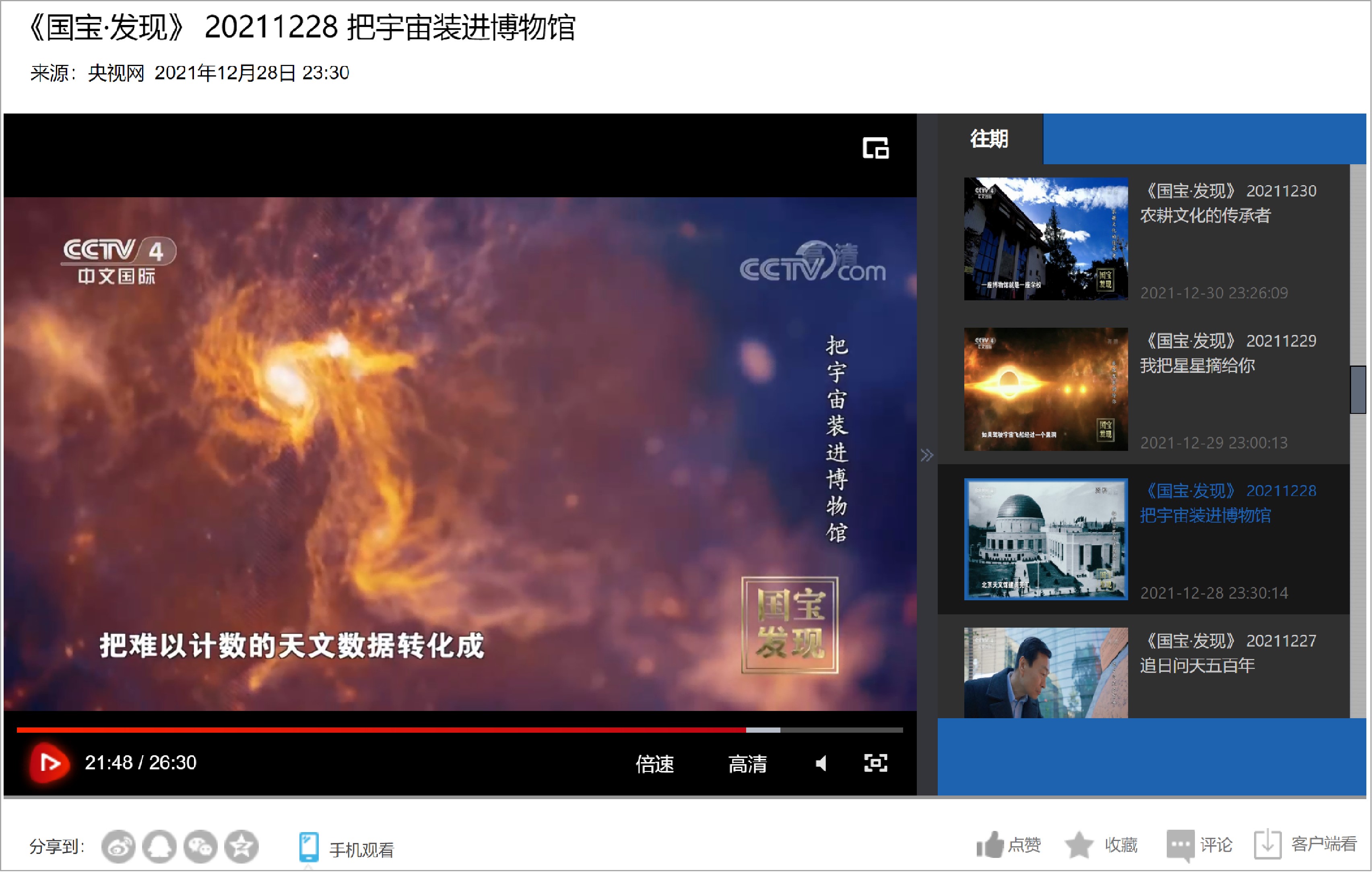
Simulation of Galaxy Evolution Process
3D Reconstruction Based on AurigaProject Supercomputing Simulation Data
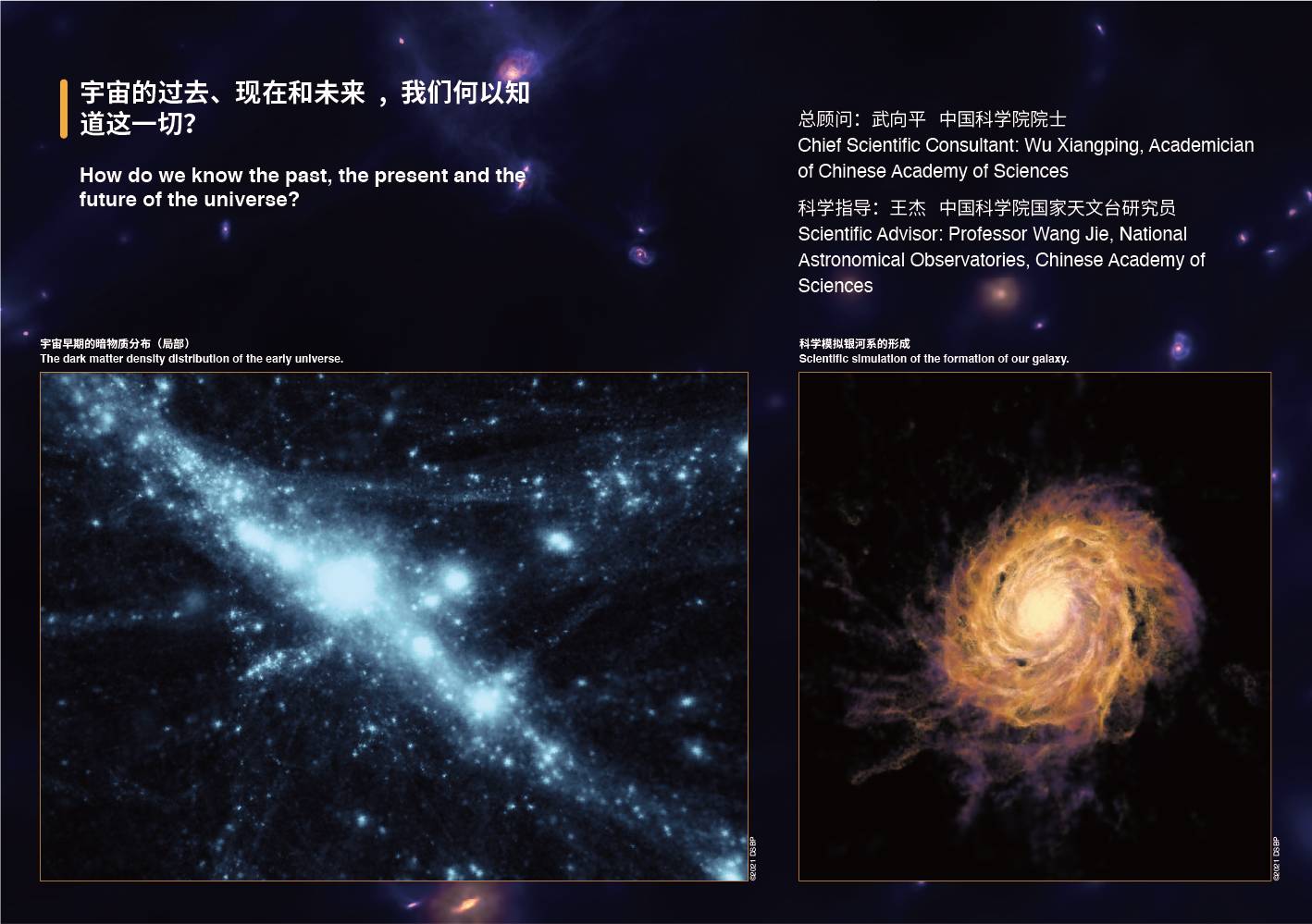
Dark Matter and Galaxy Modeling
3D Reconstruction Based on AurigaProject Supercomputing Simulation Data
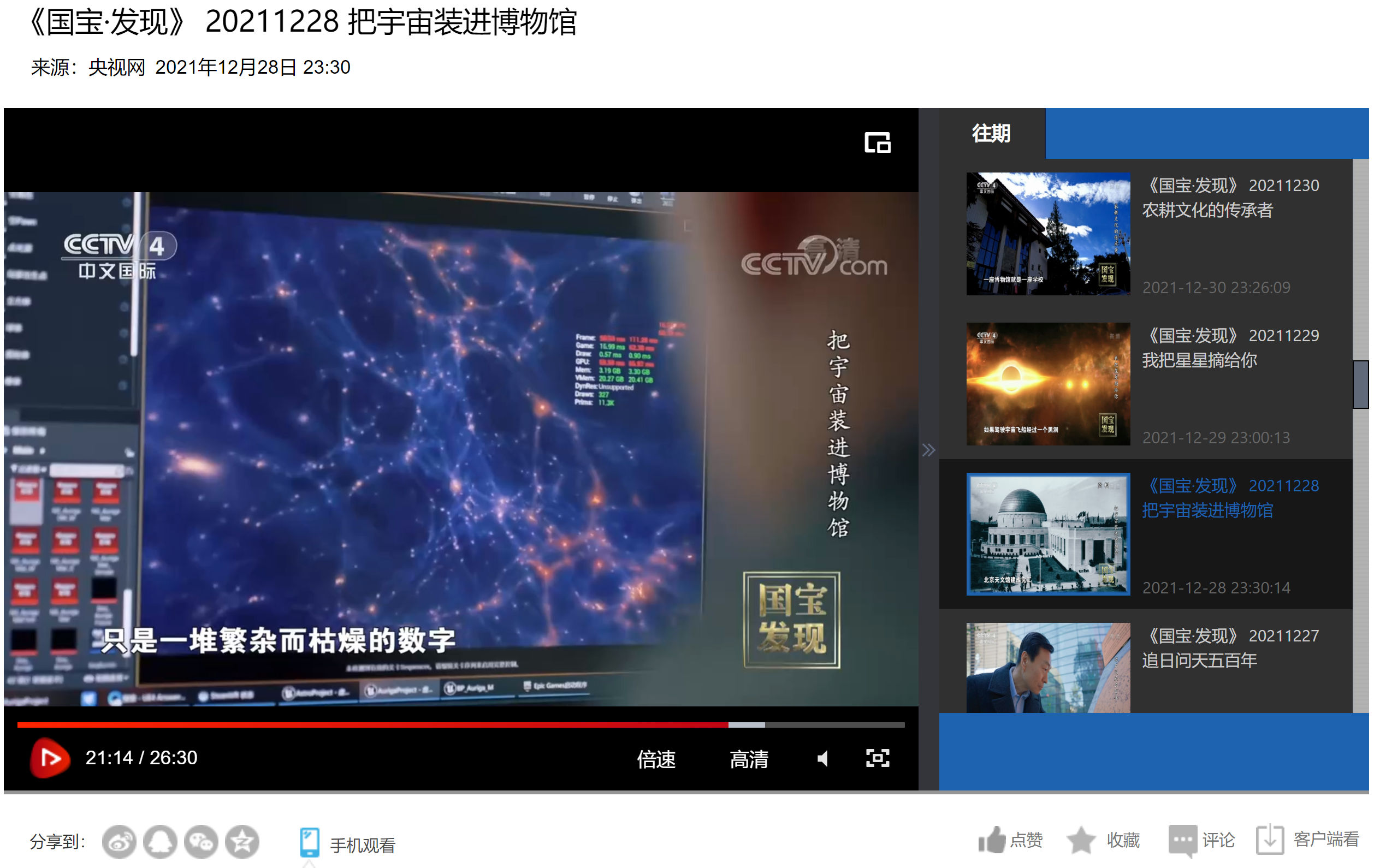
Modeling of Large-Scale Structures in the Universe
3D Reconstruction Based on AurigaProject Supercomputing Simulation Data
Video Showcases
Technical Demos
Previous Works Preview
Showcasing Solar System planetary motion, Milky Way structure, and deep space objects. All scenes are built from real astronomical data.
Developer Profile
Creator & Lead Developer
Xi Meng
Senior Animation & Game Designer
Digital Studio, Beijing Planetarium
Currently employed at the Beijing Planetarium, holding the title of Senior Animation & Game Designer. Since entering the industry in 2004, has participated in the production of over ten astronomy education special films, serving as technical lead for all of them. The special films produced have been promoted and licensed to dozens of special venues both domestically and internationally. Among them, the dome film "The Celestial Palace" won the Second Prize of the Beijing Science and Technology Progress Award in 2020. The dome film "Interstellar" won the Third Prize of the Beijing Science and Technology Award in 2016.
Through years of production, multiple invention patents have been generated. Based on proprietary patent algorithms, developed software such as "Cosmic Matrix Astronomical Data Visualization Software" using Unreal Engine, which has been applied to multiple special films in recent years,and completed the "LHAASO Sky Map Scientific Visualization" project, all of which have provided solid technical foundation and resource accumulation for this project.
Contact
Get in Touch